Design mockup · not a live business

Shoal Creek Driving SchoolLiberty, Missouri

(816) 555-0147
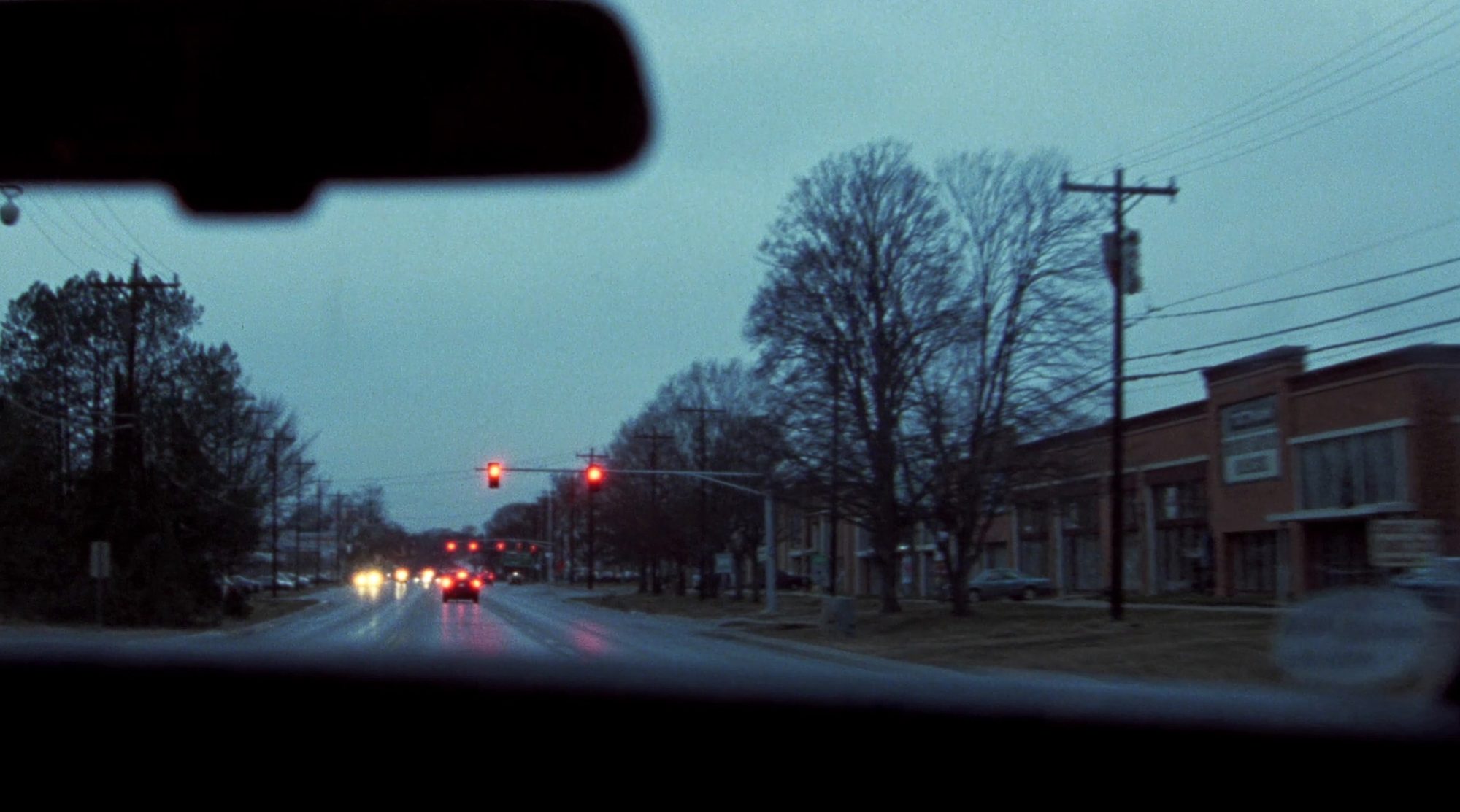
View through a car windshield at dusk on a wet four-lane suburban road, tail lights ahead and a traffic signal overhead.

We teach six roads, in this order

Nobody drives the interstate in week one. This is every road we put a student on, what actually goes wrong on each one, and what we do from the passenger seat when it does.

The order

A new driver does not get to pick where they start

A road is not harder because it is faster. It is harder because of how many things it asks for at once, and how little time it gives you to get any of them wrong. So we sort roads by that, and a student does not reach the next one until the last one has stopped taking any effort.

Six roads, and the sixth is the one the test is on. It is last on purpose.

  1. 01An empty lot, after hours
  2. 02The residential grid
  3. 03The four lane at five o'clock
  4. 04The roundabout
  5. 05The ramp onto I-35
  6. 06The test route, last

01An empty lot, after hours
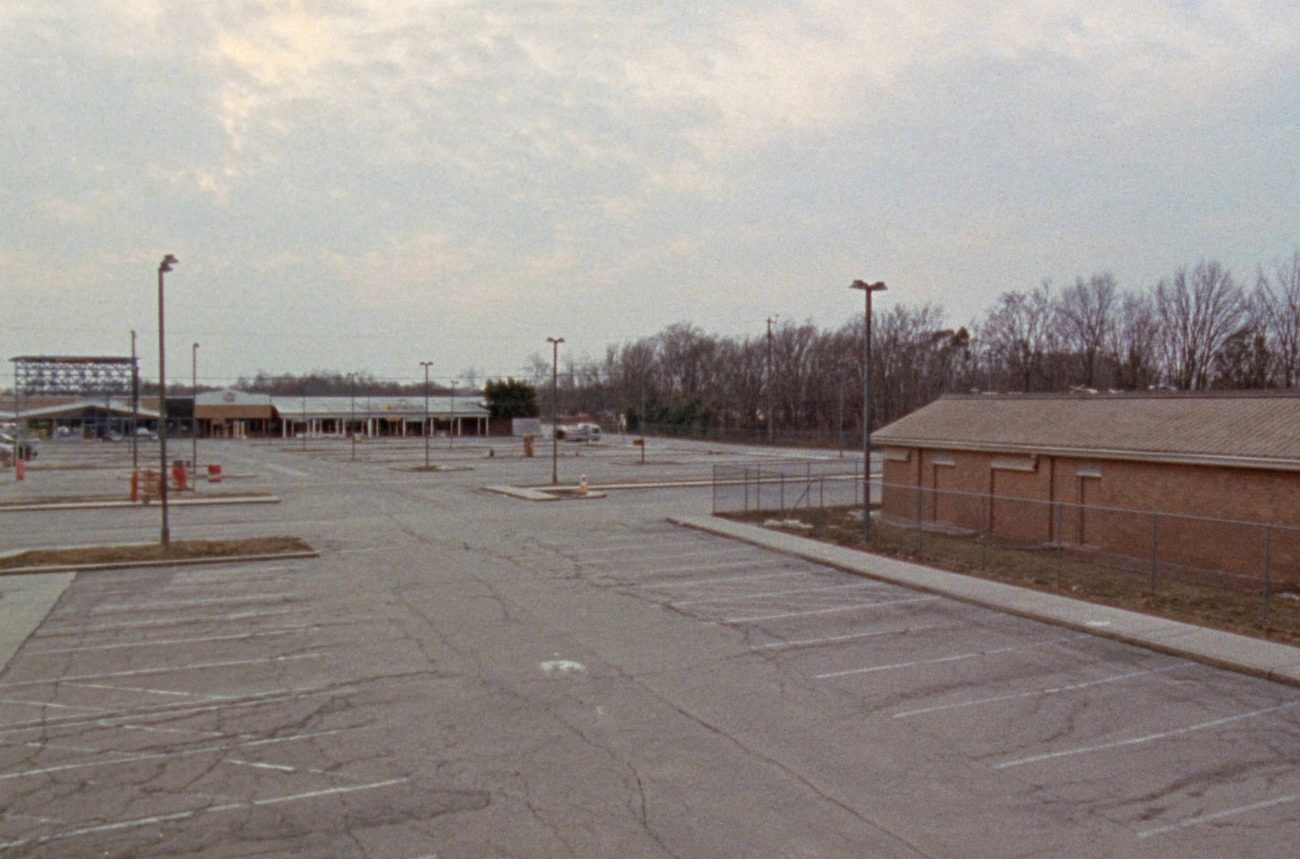

An empty asphalt parking lot on an overcast morning, faded white parking stripes and tall light poles, no cars and no people.
Where the first hour happens

What the road asksNothing, and that is the point. The first hour happens somewhere there is nothing to hit and nobody waiting behind you.

What goes wrong here
  • Both feet on the pedals.
  • Steering with the whole arm instead of the hands, so every correction is twice the size it needed to be.
  • Braking in a series of jerks, because the foot is being asked to be either on or off.

From the passenger seatAlmost nothing out loud. We set four cones and let the car be driven slowly enough that the student can feel what the wheel actually does. If we speak in the first twenty minutes it is usually one word, and the word is slower.

Ready when a full cup left on the dash is still on the dash at the end of the stop.
02The residential grid


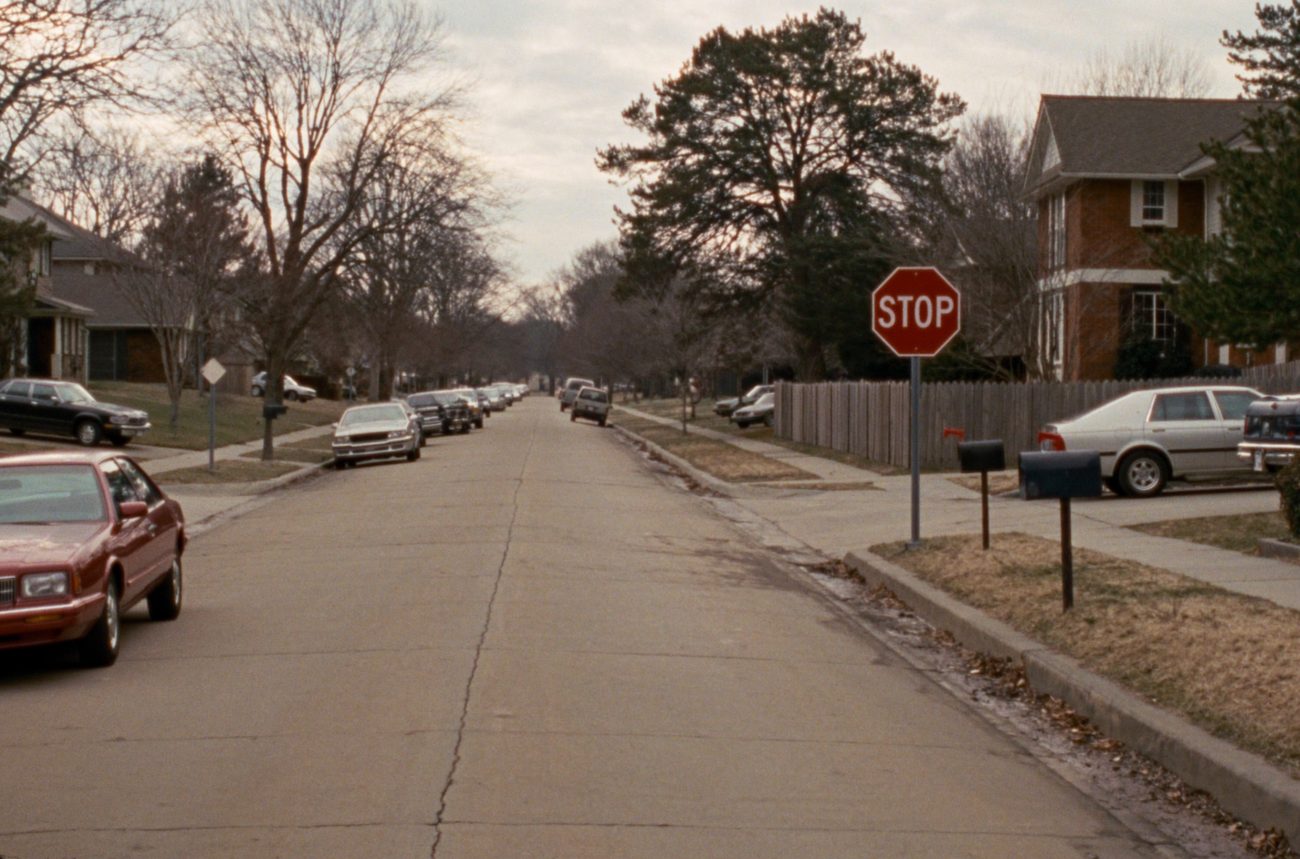
A quiet residential street on a grey winter afternoon, cars parked along both kerbs, mailboxes on the verge and a stop sign at the corner.
Where we talk the most, then stop

What the road asksFour way stops, driveways, cars parked on both sides, and a speed low enough that every mistake stays survivable.

What goes wrong here
  • Rolling the stop by six inches and not knowing it happened.
  • Cutting the corner on a left turn, every time, in the same direction.
  • Never looking far enough ahead to see the ball before the kid.

From the passenger seatThis is where we talk the most, and then deliberately stop. We call the hazard out loud a block before the student sees it. Then we call it later. Then we stop calling it and ask what they saw.

Ready when the student names the hazard before we do, three streets running.

03The four lane at five o'clock


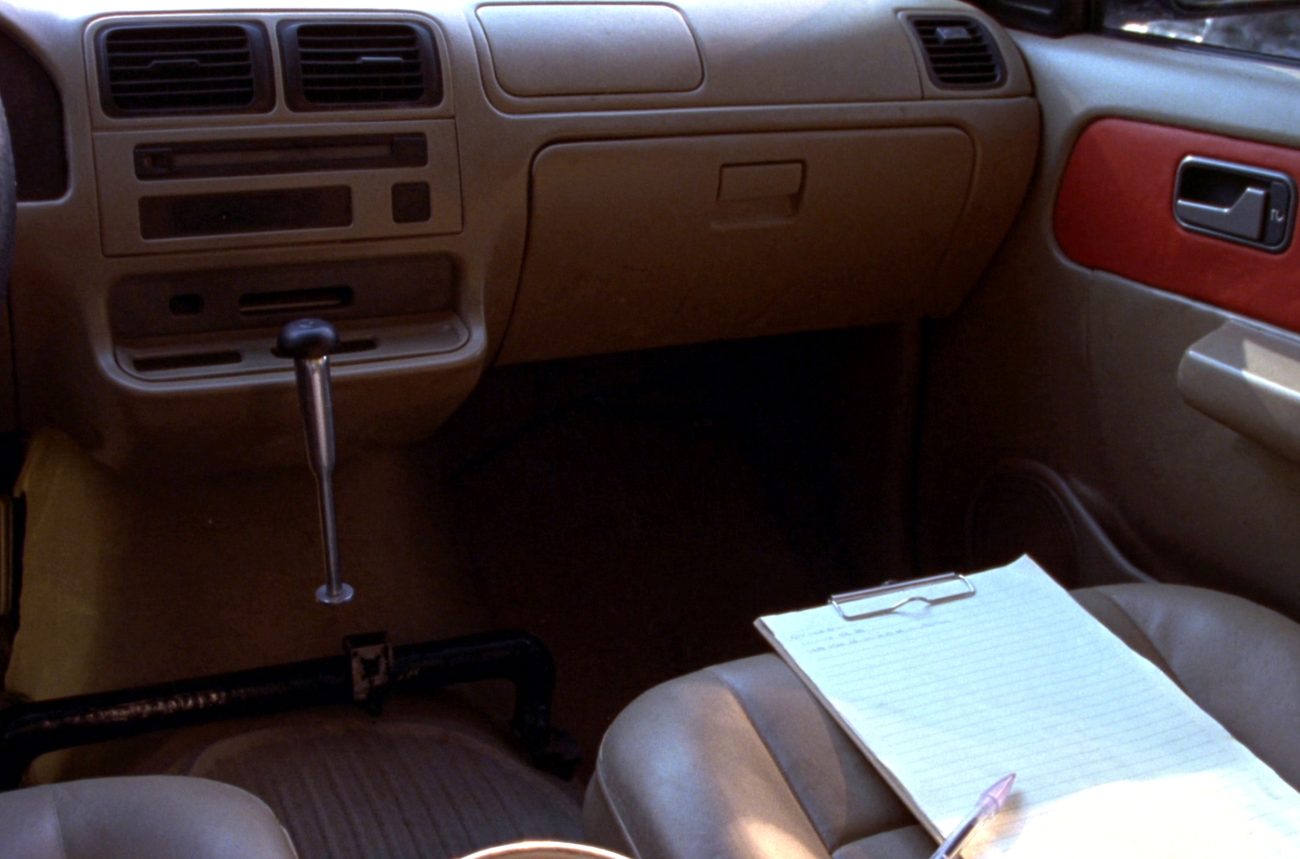
The passenger side of a training car interior, a second brake bracket fitted across the floor and a clipboard with a blank form resting on the seat.
The pedal we try not to use

What the road asksLane discipline, gap judgement, and the nerve to hold a steady speed while a good deal of the traffic around you does not.

What goes wrong here
  • Drifting toward whichever mirror was checked last.
  • Braking for a light that has not changed yet, with somebody close behind.
  • Signalling after the wheel has already moved.

From the passenger seatOur hands stay in our lap and we say less than we want to. There is a second brake by our right foot and using it is a failure of the lesson plan, not a feature of it. The one thing we do interrupt for is following distance, out loud, every time, until it stops needing saying.

Ready when the gap in front stays the same size for two miles without anyone mentioning it.

04The roundabout


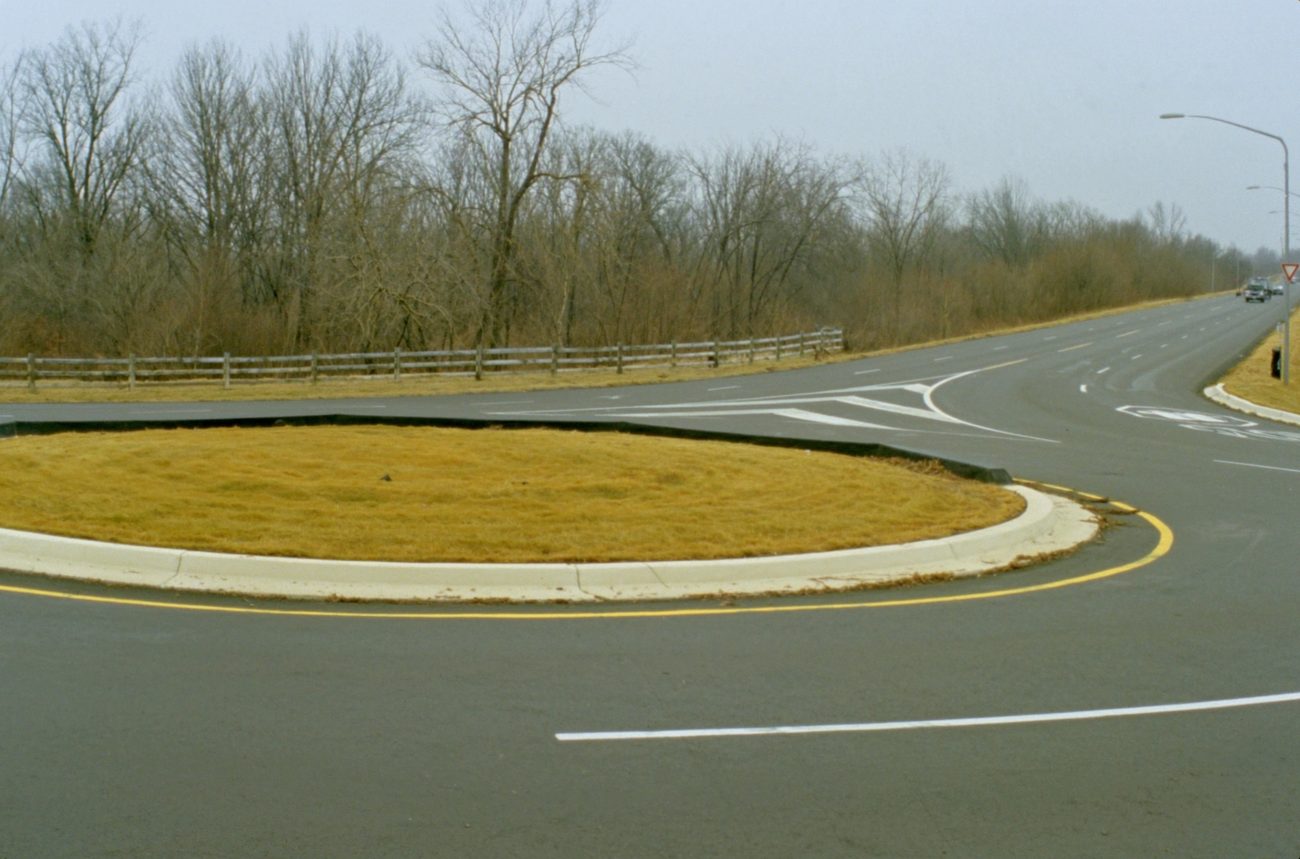
A single lane suburban roundabout photographed from a rise in flat overcast light, with painted yield lines and a grassed centre island.
Driven five times in one lesson

What the road asksYield on the way in, pick the lane before the kerb, and keep moving.

What goes wrong here
  • Stopping dead at an entry with nothing coming.
  • Signalling out of the wrong exit, or not at all.
  • Treating it as a four way stop, because a four way stop is the only thing that has been practised.

From the passenger seatWe drive the same roundabout four or five times in a row, both directions, inside one lesson. Repetition is the entire method here and it is boring on purpose. A driver who has met one roundabout once will hesitate at the next one, and hesitation is what gets hit.

Ready when the entry happens without stopping and without flinching, with traffic in it.

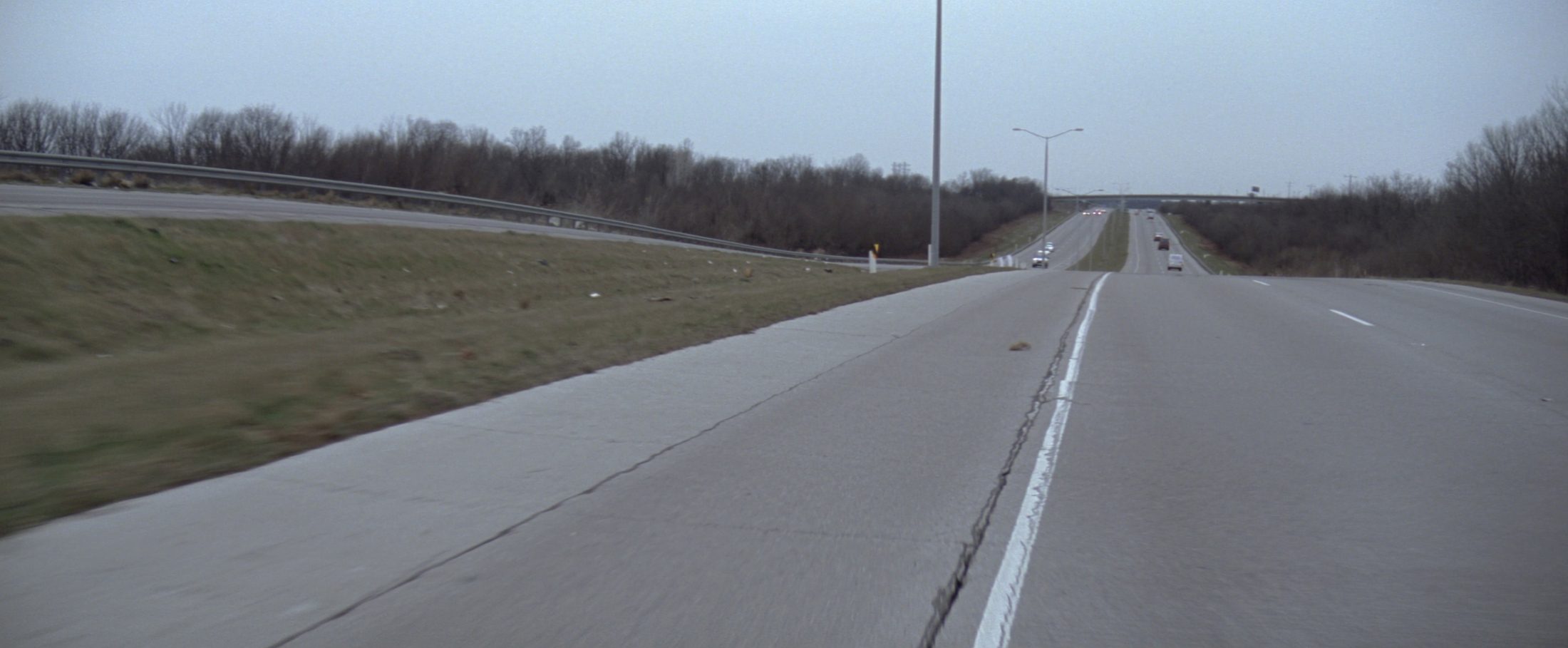
An interstate on-ramp acceleration lane merging into a Missouri highway, photographed from the grass shoulder under flat overcast light.

05 · The ramp onto I-35

What the road asksReach the speed of the traffic before the lane runs out. Every part of that is uncomfortable the first time and there is no version of the lesson where it is not.

What goes wrong here
  • Slowing down on the ramp, which is the instinct and is the wrong one.
  • Merging at forty five into traffic doing seventy.
  • Holding the mirror so long that the car ahead disappears.

From the passenger seatThis is the only road where we tell a student exactly what to do and exactly when, for the first two runs, before we let them decide anything. There is a place for letting a mistake finish so it can be learned from, and it is not a seven hundred foot acceleration lane.

Ready when the merge happens without a word from us, at night, in rain, and on a Friday.

06The test route, last


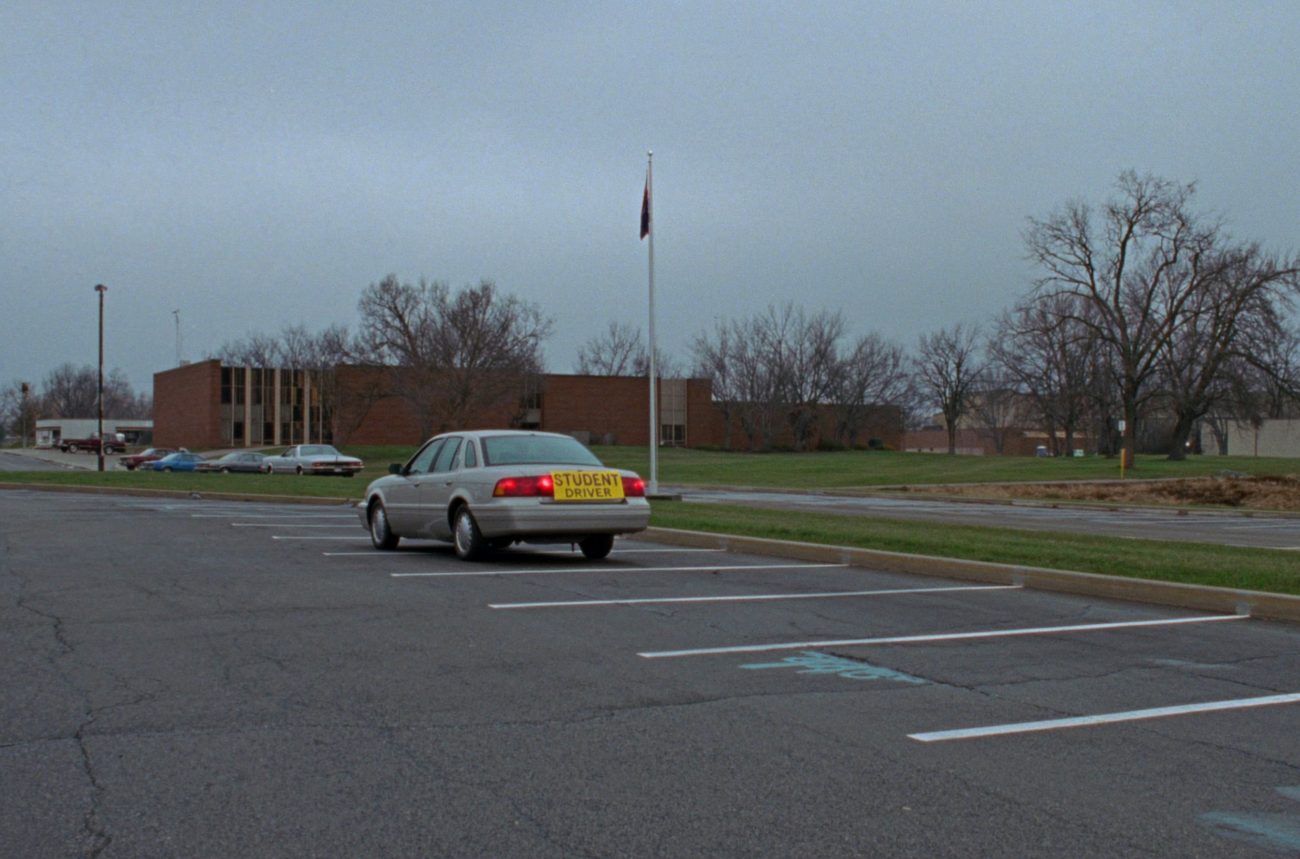
A plain sedan with a yellow student driver sign parked in an almost empty municipal lot in front of a low brick building on an overcast day.
Driven twice, near the end

What the road asksNothing the previous five did not, which is the whole argument for doing them first.

What goes wrong here
  • Overdriving it, because it is the one that counts.
  • Learning the route instead of the driving. A student drilled only on the test route can drive it beautifully and then stall on the first unfamiliar street afterwards.

From the passenger seatWe drive it twice, near the end, and we do not build the lessons around it. If the lessons were right, the route is an ordinary Tuesday with somebody watching.

Ready when an ordinary Tuesday street is as easy as the route is.

The other half

The hours we cannot drive for you

Missouri asks for a log of supervised practice before a full licence, and the number of hours in it is larger than any driving school sells. Check the current requirement with your licence office rather than with us, and rather than with any website.

Here is the honest split. We are in the car for a small share of those hours. The rest is a parent in the passenger seat on weeknights and Saturday mornings, and that is the part that makes the driver.

Three things that make those hours count

  1. Drive somewhere, not around. An errand with a destination produces decisions. Laps of the neighbourhood produce laps.
  2. Change one condition at a time. The same route in the dark. The same route in rain. The same route with a sibling talking in the back.
  3. Let the mistake finish. Grabbing the wheel teaches a driver that somebody will grab the wheel.

What we hand you at the first lesson

A printed practice sheet with the six roads on it, in this order, and space to write the date and the conditions. It is a piece of paper. We do not charge for it, and you do not have to book anything to ask for one.

If a student is already comfortable on the first three roads, say so and we will start at four. We are not going to sell you hours in an empty parking lot that a confident driver does not need.

Plainly

Four things we will not do

  1. We will not promise a result. No school can. Any pass figure attached to a driving school is a marketing number and not a measurement, including ours, which is why there is not one on this page.
  2. We will not put a student on the test route before they can drive an ordinary street. It produces someone who passes and someone who is not ready, and those are supposed to be the same person.
  3. We will not book a student who does not hold a valid permit yet. Bring it to the first lesson. Without it the lesson does not happen and we will have wasted your afternoon.
  4. We will not run a lesson in weather we would not let our own kid drive in. If we cancel, you are not charged, and we will tell you exactly what we did not like about it.

Booking

What a lesson costs and where to find us

Two hours behind the wheel, one lesson$000
Roads one to three, three lessons$000
All six roads, six lessons, test route included$000
Practice sheet, printedFree

Prices shown as $000 because this is a design mockup. Every figure, hour and time on this page is an illustration and has never been quoted to anybody.

Call (816) 555-0147
Where
123 Main St, Liberty, MO 64068 (placeholder address)
Hours
Tuesday to Friday, 3pm to 8pm. Saturday, 8am to 4pm. Closed Sunday and Monday. (placeholder hours)
Email
office@example.com (placeholder address)
Pick up
We collect from home or from school inside Liberty, Gladstone, Smithville and Kearney. Anywhere further and we meet at the lot.